Where Lingnan elegance meets southern vibrance
Guangzhou, the capital of Guangdong Province, stands as China's enduring southern gateway to the world. With over 2,200 years of continuous history, it is one of the oldest port cities on the planet, having welcomed merchants and travelers along the Maritime Silk Road since the Qin dynasty.
The cradle of Lingnan culture, Guangzhou has cultivated a distinctive identity that blends Chinese tradition with cosmopolitan openness. Its architecture, from the ornate Chen Clan Academy to the colonial facades of Shamian Island, tells the story of a city that has always looked outward while staying deeply rooted in its Cantonese heritage.
Renowned as the culinary capital of China, Guangzhou gave birth to Cantonese cuisine, one of the world's most beloved culinary traditions. The city's philosophy of eating is simple yet profound: respect the ingredient, honor the season, and let freshness speak for itself.
Founded 214 BC
Distinctive southern heritage of art, architecture, and opera
The culinary capital of China, birthplace of dim sum
2,200-year port city on the Maritime Silk Road
Year-round warmth, lush greenery, and floral abundance
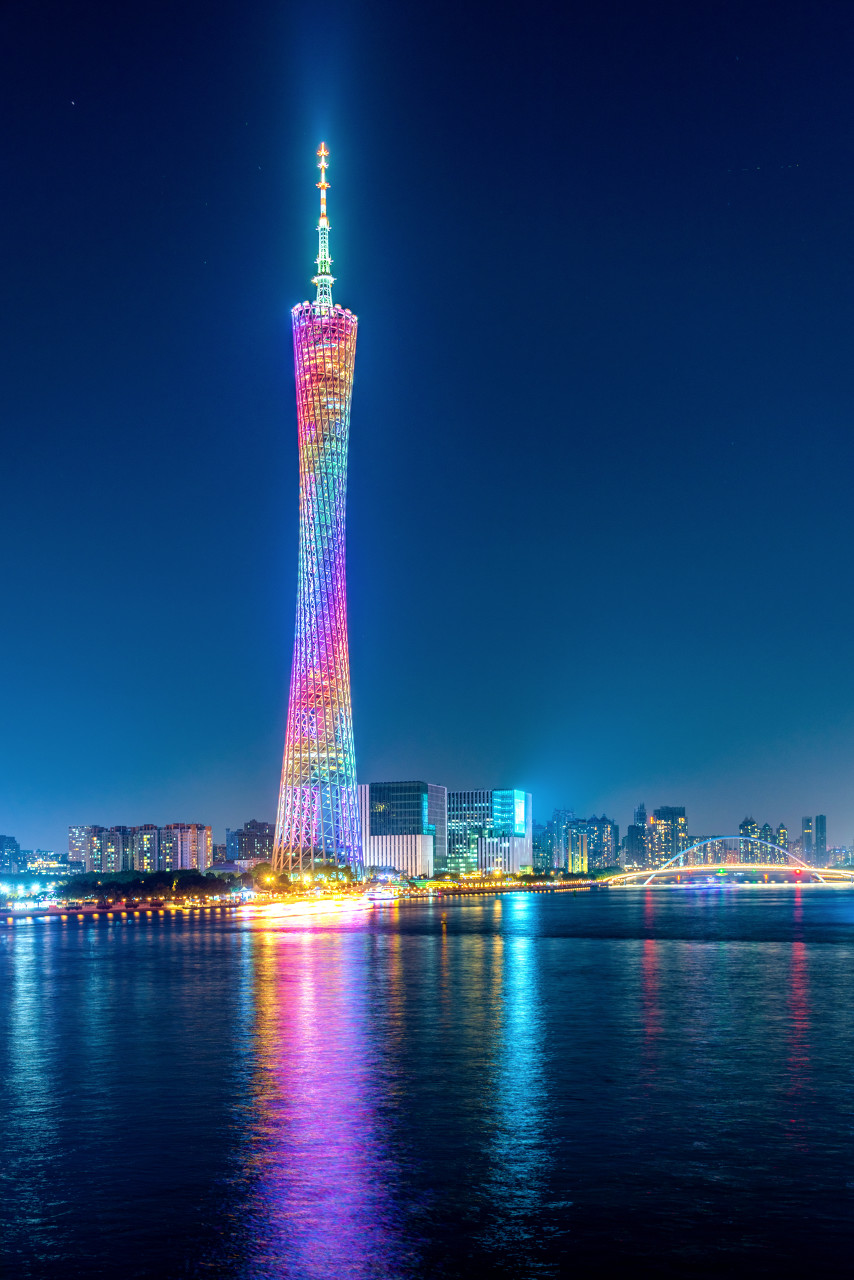
The iconic 600-meter TV tower gracing Guangzhou's skyline, featuring observation decks, a revolving restaurant, and the world's highest Ferris wheel along its rooftop.
A masterpiece of Lingnan architecture, this ornate ancestral hall features exquisite wood carvings, stone sculptures, and ceramic tile work that represent the pinnacle of Cantonese craftsmanship.
Known as the "First Spectacular Mountain of Guangzhou," this scenic range offers panoramic city views, lush botanical gardens, tranquil temples, and refreshing hiking trails.
A tranquil island oasis of European colonial architecture, tree-lined boulevards, and riverside charm. Once the foreign concession area, it now offers a peaceful stroll through Guangzhou's cosmopolitan past.
An octagonal monument honoring the founding father of modern China, featuring grand Lingnan-style architecture, a striking blue-tiled roof, and beautifully manicured gardens.
Guangzhou's most famous commercial street, where glass panels beneath your feet reveal ancient road layers dating back a thousand years, blending shopping with archaeological wonder.
Guangzhou is the undisputed birthplace of Cantonese cuisine, one of the Eight Great Traditions of Chinese culinary art. The Cantonese philosophy of cooking is deceptively simple: let the natural flavors of the finest ingredients shine through minimal intervention and precise technique.
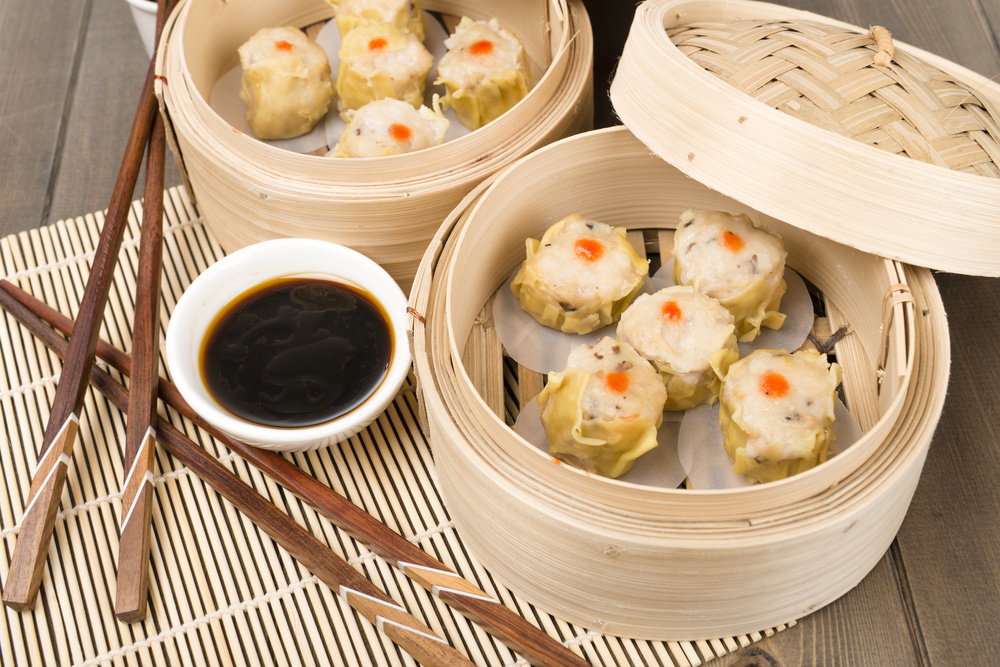
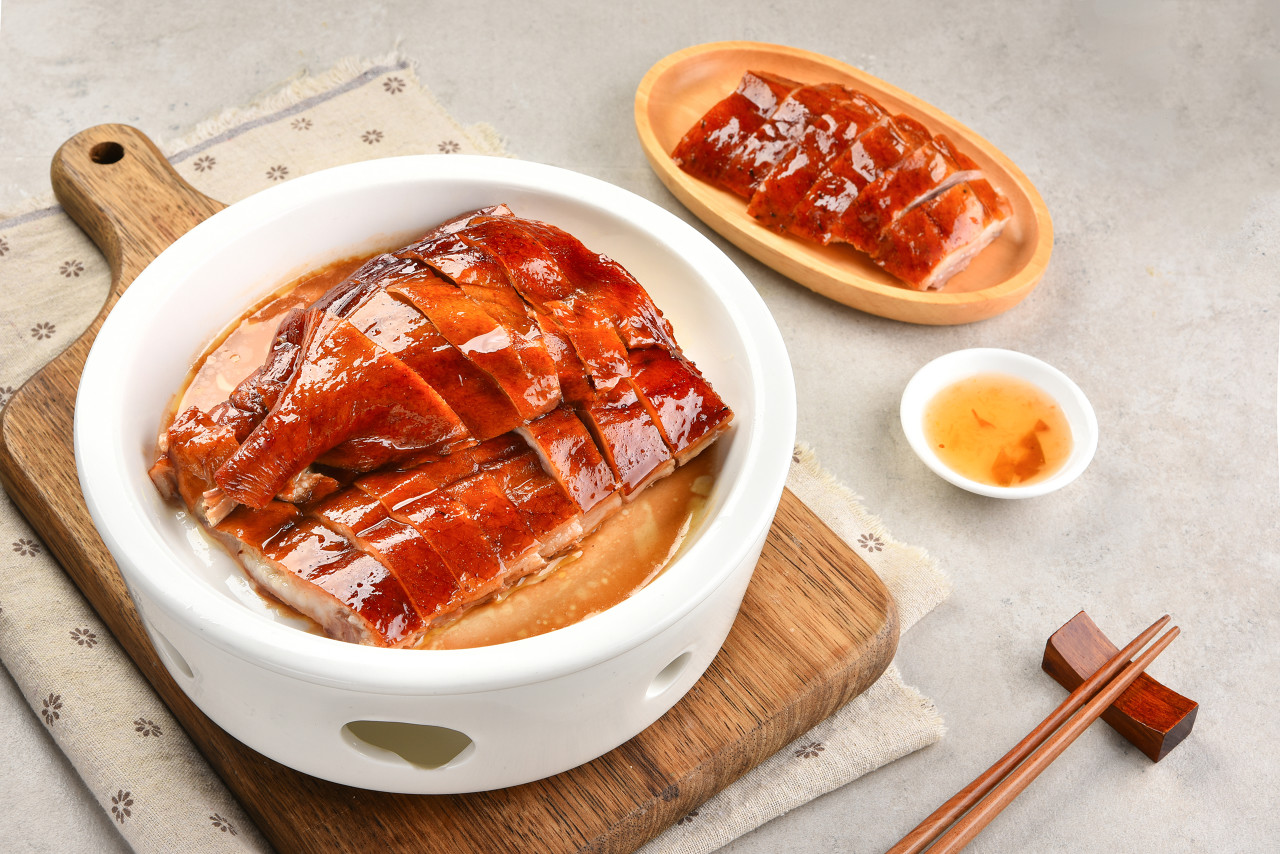
From the delicate artistry of dim sum to the theatrical precision of roast duck preparation, every dish tells a story of craft passed down through generations. The city's famed yum cha tradition, where families and friends gather over pots of tea and bamboo steamers, is as much about community as it is about cuisine.
In Guangzhou, eating is not merely sustenance; it is a way of life. The old Cantonese saying goes: "Anything with its back to the sky can be eaten," reflecting a culinary adventurousness and reverence for freshness that has made this city a pilgrimage destination for food lovers worldwide.
Eat in Guangzhou
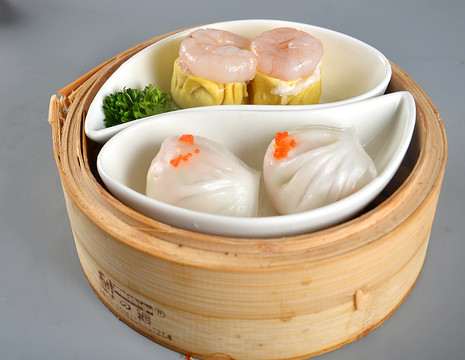
An exquisite assortment of bite-sized steamed and fried delicacies, from har gow to siu mai, served with pots of fragrant tea.
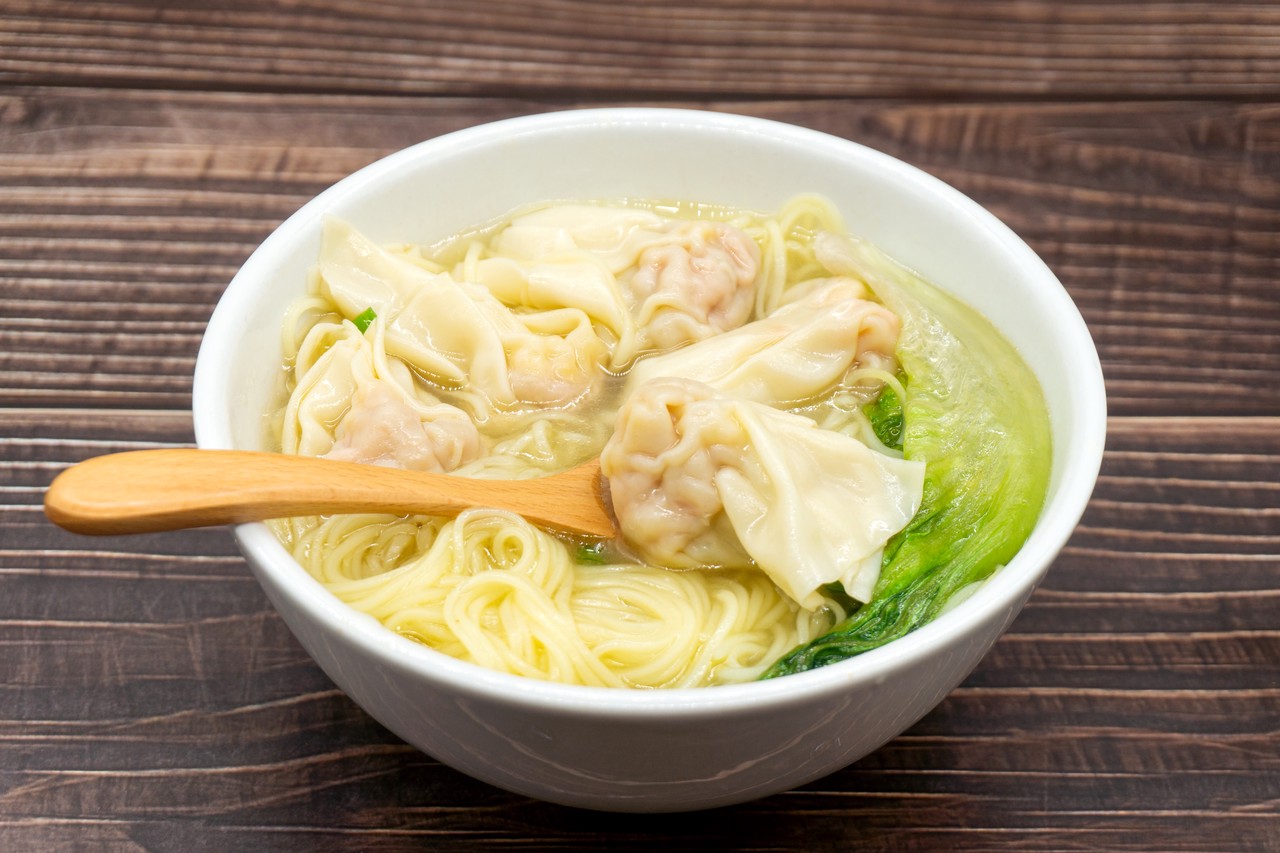
Silky egg noodles in a golden shrimp broth, topped with plump shrimp and pork wontons wrapped in translucent skins.
Lacquered skin glistening mahogany, tender meat infused with five-spice, served with plum sauce and scallions.
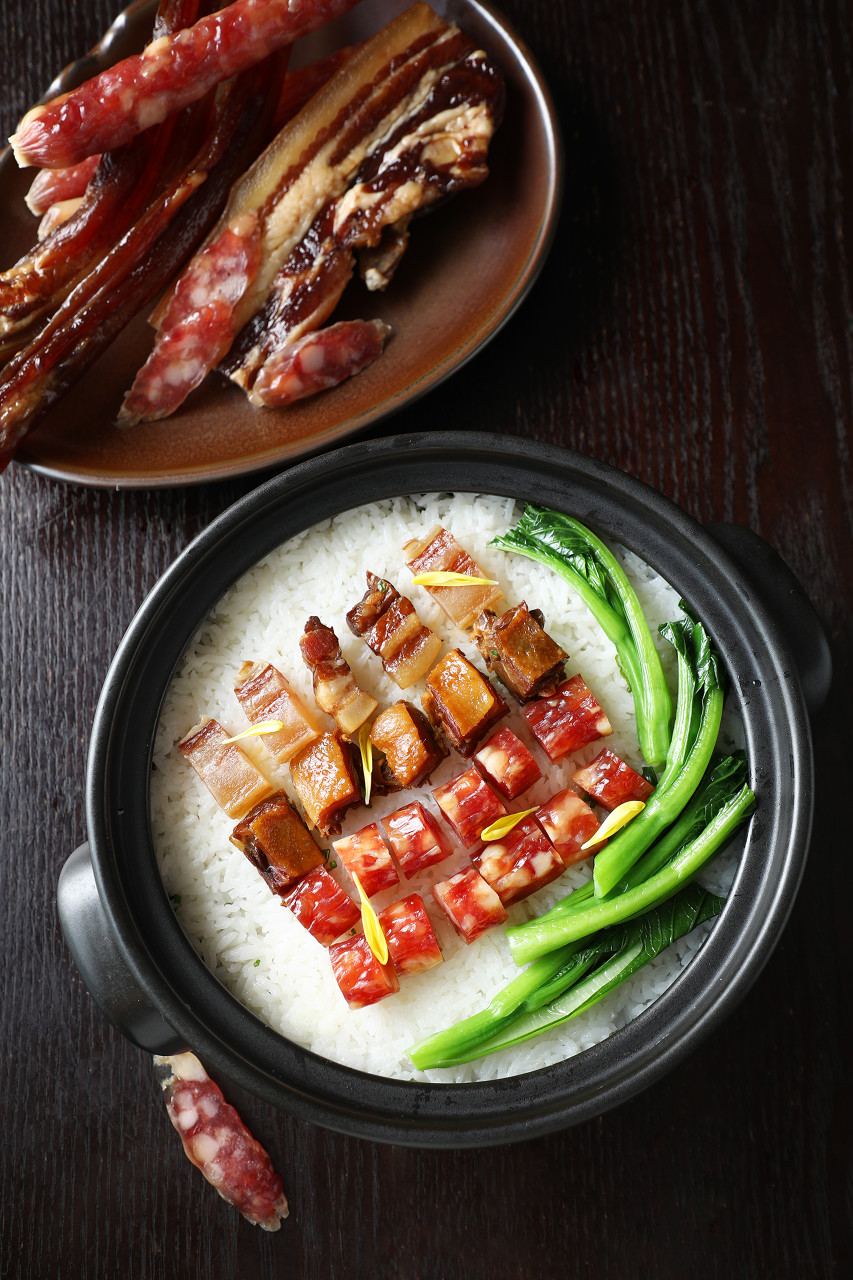
Rice slow-cooked in a clay pot until a golden crust forms, topped with cured sausage, chicken, and drizzled with sweet soy.
The bustling heart of Guangzhou's dining scene, where traditional Cantonese snack shops sit alongside modern eateries, offering everything from street-side cheong fun to upscale roast meats.
A historic shopping and dining street in Liwan District, lined with time-honored restaurants serving authentic West Guangzhou flavors and traditional Cantonese desserts.
Guangzhou's modern culinary playground, where innovative chefs push Cantonese cuisine into new territory alongside international restaurants and chic rooftop bars.